
From Operator to Architect: The Shift Most Entrepreneurs Never Make
Insights from Chris Jarvis on the Deal Playbook
Most entrepreneurs think working harder is the path to success.
But according to Chris Jarvis, that belief is exactly what keeps them stuck.
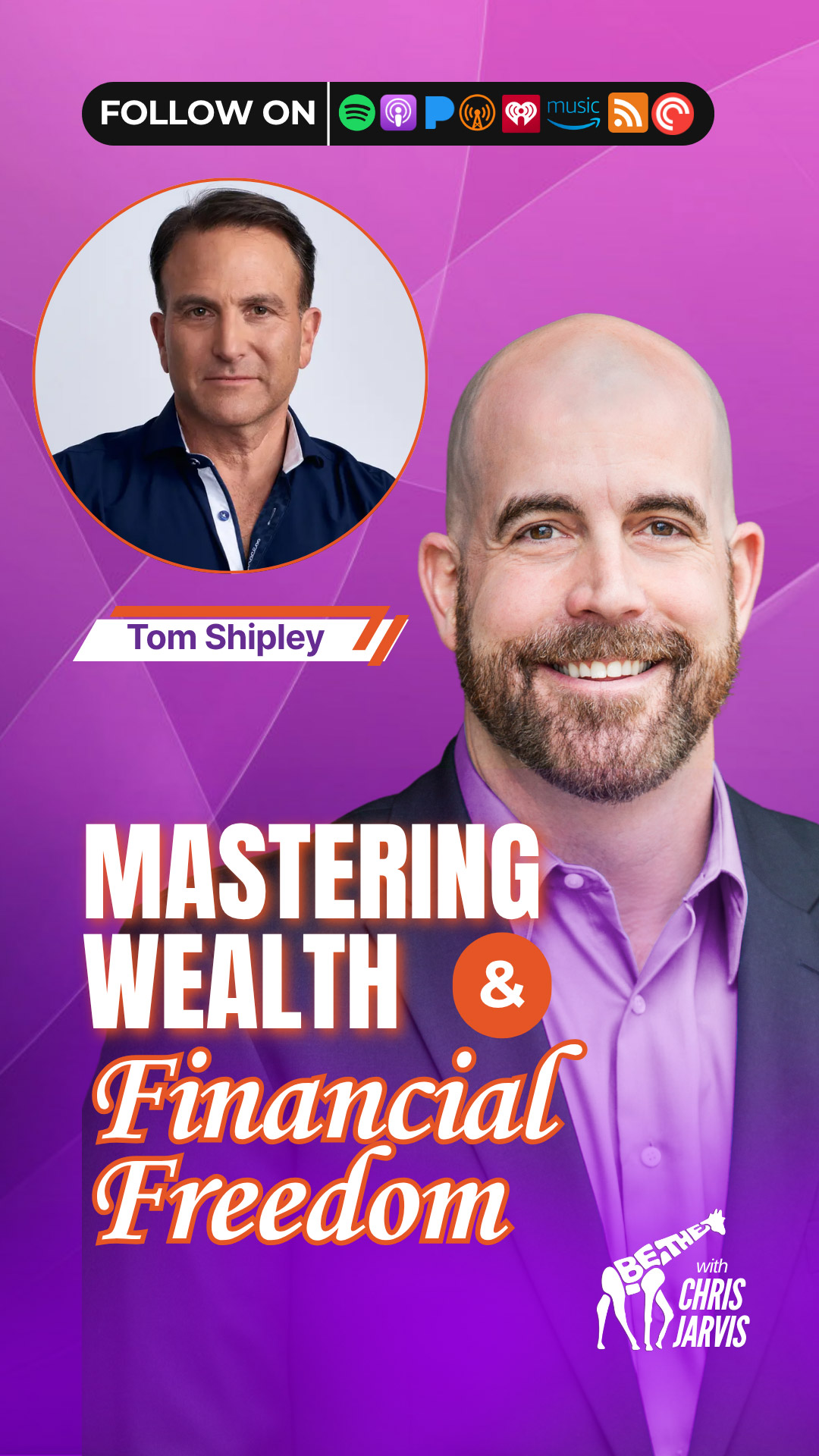
In a recent conversation with Tom Shipley, Chris breaks down a hard truth:
Most successful people never become truly wealthy—not because they lack skill, but because they stay trapped in “doing mode.”
The $400K Trap No One Talks About
There’s a level of success that feels comfortable.
You’re making good money. The business is stable. Growth is steady.
But here’s the problem:
“Most people who are successful never become super successful… because they get stuck doing the thing that made them successful.”
When you’re earning in the mid-six figures, it’s easy to double down:
More clients
More hours
More output
But there’s a ceiling.
Time becomes your biggest limitation. And eventually, no matter how hard you push, you stop scaling.
Why “Doing More” Will Always Lose
Chris explains it simply:
There are only so many hours in a day
There’s only so much you can charge
There’s only so much of you to go around
This is where most entrepreneurs hit a wall.
They try to win by working harder…
But they’re playing the wrong game.
The Real Shift: From Doing to Building
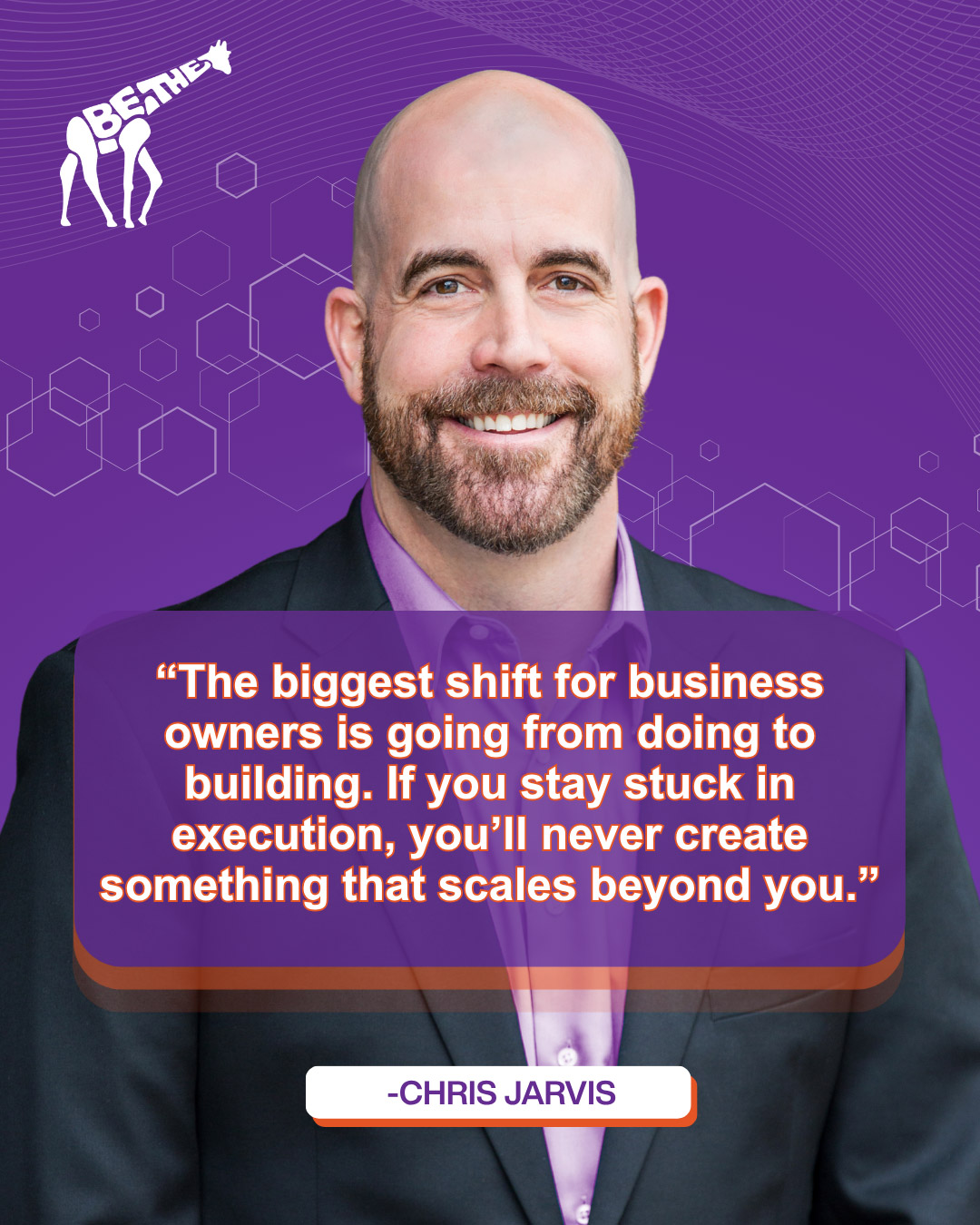
The breakthrough comes when you stop being the operator and start becoming the architect.
That means:
Delegating execution
Building systems
Creating leverage
Structuring for scale
“The rethinking of going from doing to building is a huge part for business owners.”
This is not just a tactical shift.
It’s a complete identity shift.
The Hidden Enemy: Your Own Business
Here’s where it gets uncomfortable.
Many entrepreneurs build businesses that trap them:
You’re busy, but not free
You’re earning, but not scaling
You’re “successful,” but stuck
And worse, many are chasing an exit that may never come.
As discussed in the episode:
A large percentage of businesses never sell
Even deals that start often don’t close
So the “big payday someday” becomes a dangerous illusion.
The Cost Nobody Mentions
Chris calls this out directly:
Entrepreneurs sacrifice:
Time with family
Health
Freedom
All in pursuit of a future outcome that may not happen.
You end up “winning small battles but losing the war.”
Money Isn’t Just Math—It’s Psychology
One of the most powerful insights from the episode:
Money problems are rarely just financial. They’re psychological.
Entrepreneurs often:
Hold scarcity beliefs from the past
Avoid investing in growth
Stay stuck in “cost-cutting” instead of value-building
Chris emphasizes the importance of shifting from:
Spending mindset → Investment mindset
That means seeing money as:
An investment in time
An investment in relationships
An investment in future growth
How Smart Entrepreneurs Create Leverage
Instead of grinding harder, top performers:
Hire key operators (COO, second-in-command)
Invest in systems and infrastructure
Restructure their business for efficiency
Use capital strategically
The goal?
Buy back time so you can think, build, and scale.
The Ultimate Question Every Founder Must Answer
Chris reframes everything with one powerful question:
“Did you start this business to manage systems… or to do the thing you love?”
Because somewhere along the way, many founders lose that.
They trade vision for operations.
Creativity for control.
Freedom for responsibility.
Final Thought: Play a Bigger Game
As Tom Shipley puts it, some entrepreneurs don’t just love business…
They love the game.
And the real game isn’t:
Working more
Earning more
Grinding harder
It’s:
Acquiring
Scaling
Structuring
Exiting (on your terms)
The Bottom Line
If you want to move from six figures to real wealth, you don’t need to do more.
You need to think differently.
Stop being the operator.
Start becoming the architect.


